

Precision Training: Tailoring Fitness for Success in Every Sport
October 27, 2025 | by K-Ran
 Photo by Karsten Winegeart on Unsplash
 Understanding Sport-Specific Demands
Every sport presents its own unique physical and mental demands that athletes must contend with to achieve peak performance. Triathlons, for instance, require a blend of endurance, strength, and resilience as competitors transition between swimming, cycling, and running. The distinct energy systems utilized in each segment require tailored training approaches to enhance muscular endurance and cardiovascular stamina.
In contrast, sports like fencing and archery necessitate a greater emphasis on agility and coordination, combined with mental focus. Fencers must develop explosive movements for quick lunges and retreats, while archers need exceptional hand-eye coordination and tranquility under pressure. These sports reveal a clear connection between the agility required and the success of the athlete, underscoring the need for specialized training that incorporates speed drills and precision exercises.
Boxing provides another example of sport-specific demands, as it combines physical strength with mental toughness. Boxers must develop a well-rounded fitness level, focusing on cardiovascular conditioning and upper body strength to deliver powerful punches while enduring fatigue during bouts. The unique stressors of the sport necessitate dedicated training routines that build endurance and promote rapid recovery, ensuring that athletes can perform at their best throughout a fight.
Football, characterized by its fast-paced nature, requires a distinctive balance of strength, stamina, and strategic thinking. Players must build muscular strength for tackles and sprinting, while also enhancing anaerobic endurance, which plays a crucial role in maintaining high energy levels throughout the game. Cricket, while less physically demanding in bursts compared to football, emphasizes hand-eye coordination and strategic execution, requiring specific drills to develop these skills efficiently.
By recognizing the distinct requirements of each sport, trainers can develop effective, sport-specific training regimens that maximize performance, decrease injury risks, and facilitate quicker recovery times. Understanding these demands is vital for athletes seeking to reach their full potential across varied athletic disciplines.
Creating Customized Training Plans
Developing individualized training programs is essential for optimizing athletic performance in any sport. A customized approach begins with a comprehensive goal-setting process, which helps athletes identify their short-term and long-term objectives. These goals should be specific, measurable, achievable, relevant, and time-bound (SMART). This framework not only motivates athletes but also serves as a roadmap for their training journey.
Once objectives are established, the assessment of current fitness levels is crucial. This assessment typically involves evaluating strength, endurance, flexibility, and overall physical condition. Performance tests, skill assessments, and possibly even consultation with sports scientists can provide valuable insights into an athlete’s strengths and weaknesses. Understanding where an athlete stands is the foundation upon which their training plan can be built.
Integration of sport-specific skills into the physical training regimen is vital in creating an effective program. Each sport demands unique skills; hence, the training plan should reflect these requirements. For instance, a sprinter’s regimen will differ significantly from that of a marathon runner, each focusing on distinct energy systems and muscle groups tailored to their sport.
Moreover, recovery strategies play a critical role in maintaining peak performance. Recovery days, active rest, and techniques such as foam rolling and stretching should be incorporated to prevent injuries and ensure athletes can consistently perform at their best. Alongside recovery, attention to nutrition cannot be overlooked. Proper nutrition fuels the body, supports recovery, and enhances overall performance, making it an integral component of training.
Lastly, psychological conditioning is another important aspect. Mental resilience, motivation, and focus can significantly affect an athlete’s performance. Incorporating mental training techniques such as visualization and mindfulness can help athletes stay prepared for competition. By continuously evaluating and adjusting their training plans, athletes can ensure they remain aligned with their goals, ultimately leading to ongoing progress and success in their sports endeavors.
RELATED POSTS
View all

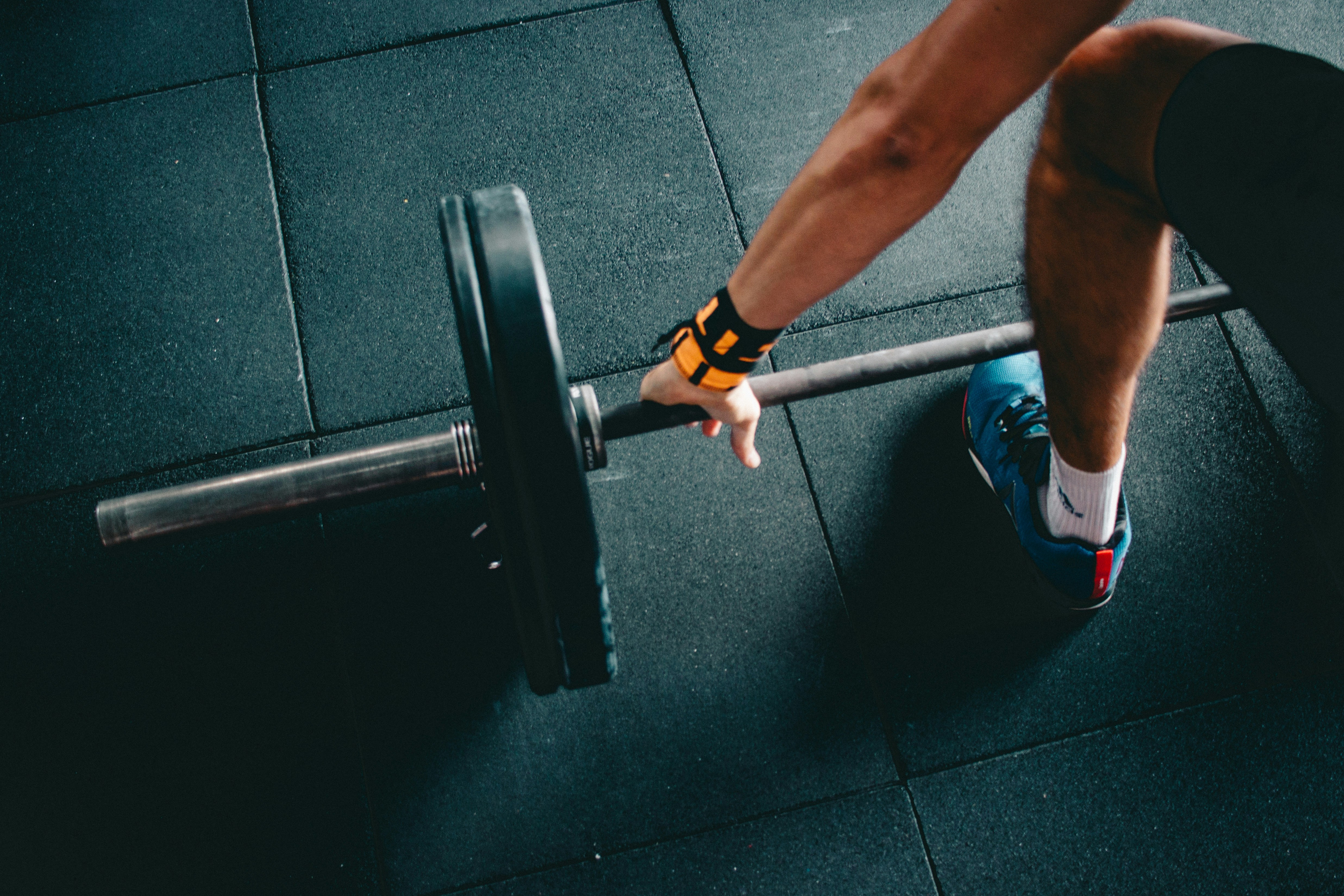 Photo by Victor Freitas on Unsplash
 Optimizing Athletic Performance: Tailored Fitness Training for Every Sport
October 27, 2025 | by K-Ran

Customized Training Strategies for Diverse Sports Disciplines
October 27, 2025 | by K-Ran
Tailored Training: Elevating Athletic Performance Through Sport-Specific Fitness Programs
October 27, 2025 | by K-Ran