

Customized Training Strategies for Diverse Sports Disciplines
October 27, 2025 | by K-Ran
Understanding the Unique Requirements of Each Sport
The realm of sports encompasses a diverse array of disciplines, each with its own set of requirements and challenges. To excel, athletes must not only develop specific physical attributes but also hone their mental and technical skills tailored to their respective sports. For instance, a triathlete’s training heavily emphasizes endurance, as the sport involves swimming, cycling, and running over long distances. This necessitates a rigorous training regimen focused on cardiovascular fitness, muscle endurance, and mental resilience.
In contrast, fencing demands a blend of agility, coordination, and quick reflexes. Athletes must be able to make rapid decisions and execute precise movements while maintaining balance and control. The sport’s unique skill requirements necessitate tailored training that emphasizes footwork, lunging techniques, and the mental acuity to anticipate opponents’ moves, illustrating the critical nature of sport-specific preparation.
Meanwhile, sports such as boxing highlight strength and power, where athletes must refine their striking techniques and defensive skills. Their training regime often incorporates high-intensity interval exercises to build explosive strength, alongside drills focusing on speed and precision. Similarly, football players require a combination of strength, speed, and tactical awareness, as they must navigate various roles on the field, necessitating tailored drills that foster teamwork and agile decision-making.
Cricket presents its own unique demands, where hand-eye coordination and fine motor skills play pivotal roles. Batters must train for both mental focus and physical endurance, as matches can span several hours. Therefore, a personalized training program that incorporates skill drills, strength conditioning, and mental preparation is essential for optimizing performance in this sport.
In conclusion, understanding the specific requirements of each sport is crucial for developing customized training strategies. By focusing on the distinct physical, mental, and technical demands, coaches and athletes can create effective training programs that cater to individual needs, ultimately enhancing overall performance.
Developing Personalized Fitness Programs for Athletes
Creating individualized fitness training programs for athletes is a multifaceted process that requires careful consideration of various factors that affect performance. Each sport has distinct demands, and therefore, a custom approach is essential to optimize training effectiveness. The initial step in developing a personalized fitness program is assessing the athlete’s current fitness level. This baseline measurement will inform the design of a training regimen that addresses specific strengths and weaknesses.
The athlete’s competition schedule is another critical aspect to contemplate. Tailoring the training intensity and volume based on upcoming competitions helps to peak an athlete’s performance at the right time. Additionally, personal goals are integral to the crafting of these programs. Whether the goal is to enhance endurance, increase strength, or improve technical skills, aligning the training elements with the athlete’s aspirations fosters motivation and commitment.
Incorporating strength training, conditioning, and skill development into a comprehensive program creates a balanced approach that enhances athletic performance. Strength training contributes to the development of muscle power and resilience, while conditioning improves overall cardiovascular fitness and stamina. Skill development sessions focused on sport-specific techniques are essential for ensuring that athletes can effectively apply their physical training in competition settings.
Regular assessments play a vital role in the continuous evolution of the training regimen. By tracking progress through performance metrics, coaches and athletes can identify areas necessitating adjustment, allowing for timely adaptations to the training plan. Furthermore, nutrition and recovery strategies must be woven into the fabric of the training program. Proper nutrition fuels performance and aids recovery, while adequate rest and recovery protocols prevent injuries and promote long-term athletic development. Such holistic approaches ensure that athletes can meet the unique challenges posed by their respective sports, facilitating optimal performance across diverse disciplines.
RELATED POSTS
View all

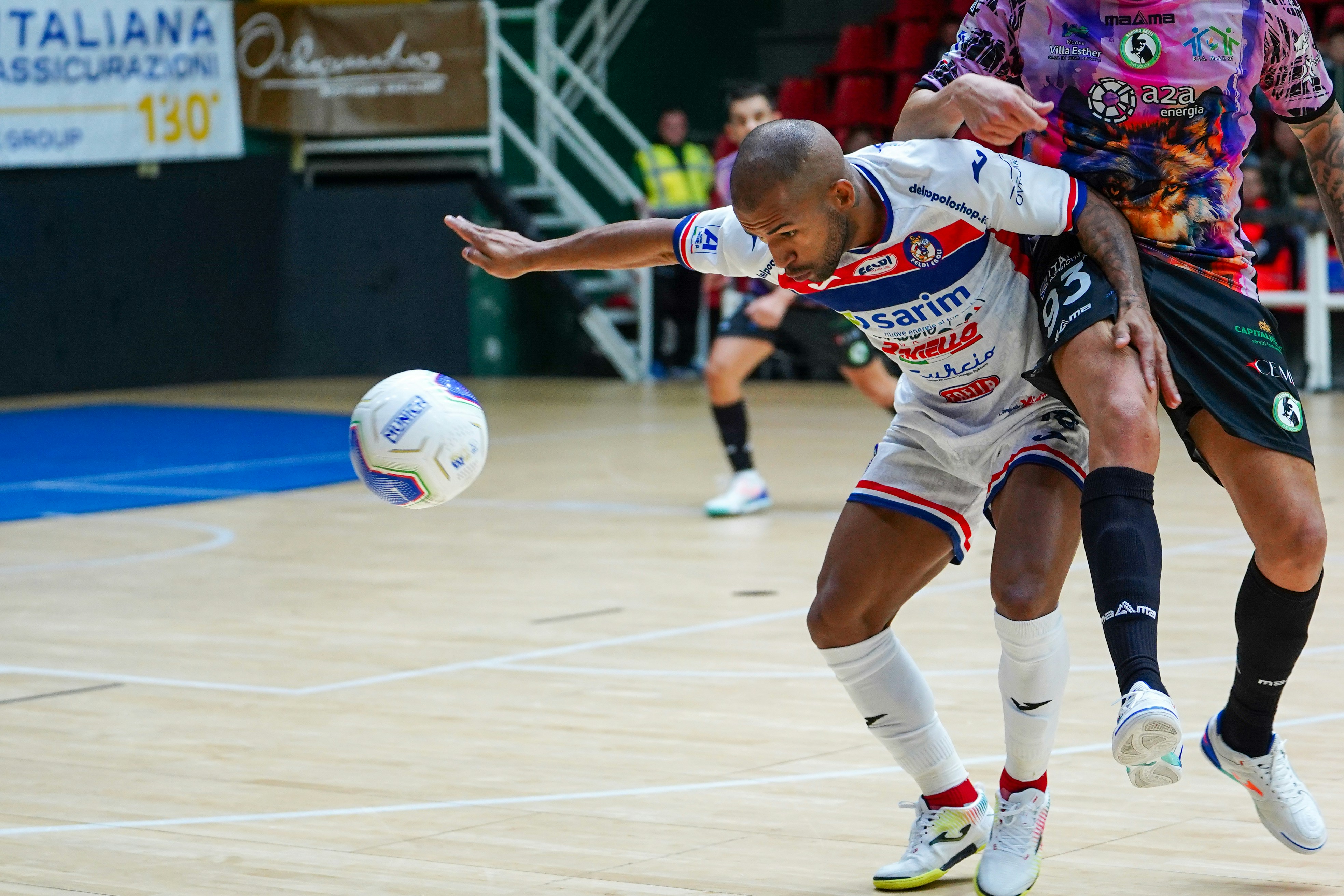 Photo by Alfonso Scarpa on Unsplash
 Custom Fitness Solutions: Tailoring Workouts for Every Athlete
October 27, 2025 | by K-Ran
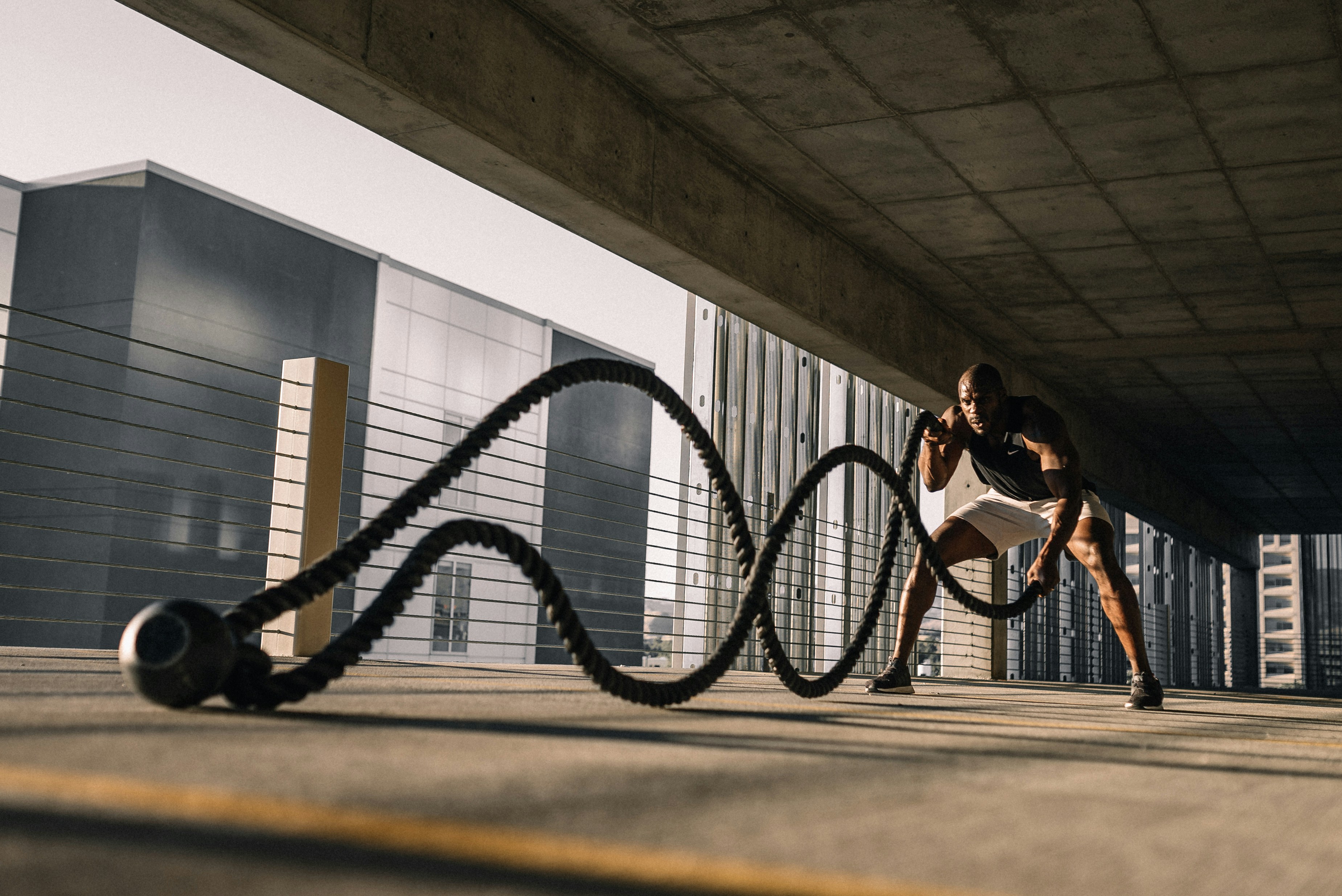 Photo by Karsten Winegeart on Unsplash
 Precision Training: Tailoring Fitness for Success in Every Sport
October 27, 2025 | by K-Ran
Tailored Training: Elevating Athletic Performance Through Sport-Specific Fitness Programs
October 27, 2025 | by K-Ran