

Custom Fitness Solutions: Tailoring Workouts for Every Athlete
October 27, 2025 | by K-Ran
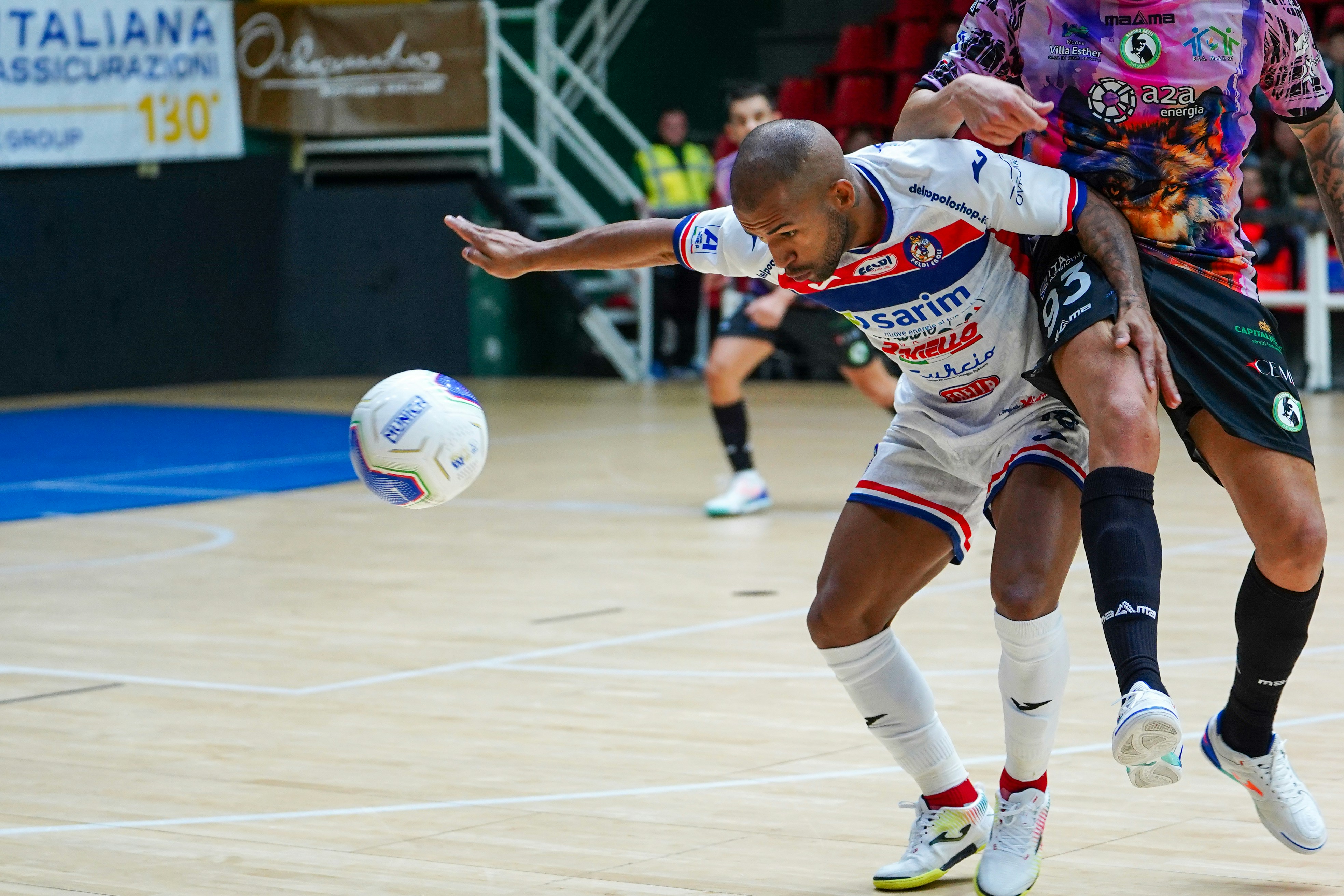 Photo by Alfonso Scarpa on Unsplash
 Understanding the Unique Demands of Each Sport
Each sport presents its own set of physical and mental challenges that athletes must address to excel. Understanding these unique demands is crucial for developing tailored training programs that enhance performance and mitigate the risk of injury. For instance, triathletes not only require exceptional endurance but also the ability to transition quickly between swimming, cycling, and running. Their training programs must incorporate long-distance conditioning, strength training to support their diverse activities, and techniques for efficient transitions.
In contrast, sports such as fencing emphasize speed, precision, and mental acuity. Fencers must develop explosive power to respond quickly to their opponents while also honing their strategic thinking skills to anticipate and counter attacks. Training programs for fencers should involve agility drills, footwork patterns, and sparring sessions that challenge both their physical abilities and tactical planning.
Boxing, another sport with distinct requirements, calls for a combination of strength, speed, and endurance. Boxers must engage in rigorous training routines that build cardiovascular fitness while focusing on techniques that enhance striking force and defensive maneuvers. A well-rounded boxing program will include heavy bag workouts, sparring, conditioning circuits, and strategy sessions, ensuring that athletes are prepared for the multifaceted nature of their matches.
Football demands a diverse skill set as well, focusing on both physical strength and tactical awareness. Athletes must possess endurance for running extensive distances during games while also demonstrating agility and power for explosive movements during plays. Creating a tailored football training program includes elements of interval running, strength training, and practice drills that reinforce teamwork and communication.
Lastly, archery requires remarkable focus and precision, with mental toughness playing an equally important role. Training for archers often concentrates on developing stability, control, and the ability to manage stress under competition conditions. Therefore, tailored training programs should integrate physical conditioning with techniques for enhancing concentration and relaxation.
By analyzing these various demands across sports like triathlon, fencing, boxing, football, and archery, it becomes evident that each athlete needs a specialized training regimen. This foundational understanding is instrumental in crafting customized fitness solutions that cater to the attribute-specific needs of athletes in their respective disciplines.
Designing Personalized Training Programs for Optimal Performance
Creating customized training programs is essential for maximizing an athlete’s potential across various sports. Each athlete possesses unique strengths and weaknesses, which necessitates a tailored approach to their workout regimens. By incorporating sport-specific drills and targeted strength and conditioning exercises, trainers can address the individual needs of each athlete, ensuring a focused pathway for improvement.
Integration of sport-specific drills is particularly vital in designing effective training programs. For instance, a basketball player’s regimen may include agility drills that enhance foot speed and reaction time, while a distance runner would benefit from endurance training that focuses on cardiovascular capacity. These drills not only improve necessary physical attributes but also contribute to skill enhancement, which is vital for achieving peak performance in competition.
In addition to drills, strength and conditioning exercises play a pivotal role in an athlete’s overall development. By assessing each athlete’s physical capabilities and injury history, trainers can develop a program that balances strength training with flexibility and mobility work. This balanced approach not only reduces the risk of injuries but also promotes muscle growth and functional movement, which are critical for excelling in sports.
Recovery strategies also warrant significant attention in a personalized training program. Adequate recovery periods, combined with techniques such as physiotherapy, nutrition plans, and mental conditioning, are integral in preventing burnout and optimizing performance. Regular assessments of an athlete’s progress allow trainers to adjust training intensity, volume, and pace, ensuring that each program remains challenging yet achievable. By continually refining the training plan, athletes can consistently improve, adapting to the demands of their sport while reducing the risk of plateauing.
By strategically designing personalized training regimens that encompass sport-specific drills, strength, conditioning, and recovery strategies, athletes can achieve optimal performance tailored to their distinct requirements.
RELATED POSTS
View all

 Photo by Victor Freitas on Unsplash
 Optimizing Athletic Performance: Tailored Fitness Training for Every Sport
October 27, 2025 | by K-Ran
 Photo by Sincerely Media on Unsplash
 Sport-Specific Fitness: Enhancing Athlete Performance Through Tailored Regimens
October 27, 2025 | by K-Ran
 Photo by Karsten Winegeart on Unsplash
 Precision Training: Tailoring Fitness for Success in Every Sport
October 27, 2025 | by K-Ran