

Sport-Specific Fitness: Enhancing Athlete Performance Through Tailored Regimens
October 27, 2025 | by K-Ran
 Photo by Sincerely Media on Unsplash
 Understanding the Unique Demands of Various Sports
Each sport presents its own distinct set of challenges and requirements that athletes must navigate to achieve optimal performance. For instance, triathlon combines swimming, cycling, and running, necessitating a high level of cardiovascular endurance as well as specialized skills in each discipline. Athletes must not only excel in individual events but also exhibit the ability to transition efficiently between them, which adds a layer of complexity to their training regimens.
In contrast, fencing demands a different set of physical attributes, including agility, quick reflexes, and precise coordination. Success in fencing relies heavily on mental acuity, as athletes must anticipate their opponent’s moves and strategize accordingly. The technical skills involved in executing thrusts and parries are critical, and thus training focuses extensively on these elements alongside overall strength, speed, and footwork.
Similarly, archery requires immense concentration and fine motor skills. Archers must possess stability and control, as even the slightest movement can impact accuracy. Endurance and mental resilience are essential as athletes often wait for extended periods between shots, necessitating practice in maintaining focus under varying conditions.
In the realm of combat sports like boxing, athletes face the dual challenges of skill mastery and rigorous physical conditioning. Boxers must develop explosive power, endurance, and tactical awareness to navigate their opponent’s strategy both offensively and defensively. Their training schedules often blend cardiovascular fitness, strength conditioning, and hands-on skill work, tailored to the specific demands of the sport.
Team sports, such as football and cricket, introduce additional layers of complexity. Football requires speed, agility, and endurance to adjust to the dynamic nature of play. Meanwhile, cricket athletes must blend patience and explosive power, showcasing their skills in batting, bowling, and fielding. Training for such sports emphasizes conditioned teamwork along with individual skill development.
Understanding these varied demands is fundamental in crafting tailored training programs that enhance performance. By recognizing the unique characteristics and challenges of each sport, coaches and trainers can develop specialized regimens that not only address physically but also prepare athletes to overcome the mental hurdles they face in competition.
Developing Targeted Training Plans for Optimal Results
Creating customized training plans tailored to the specific needs of athletes is critical for enhancing performance across various sports. Each sport presents unique physical demands that require distinct approaches to strength, agility, endurance, and skill training. For instance, a sprinter may need a regimen that prioritizes explosive strength and speed training, while a marathon runner would benefit more from endurance and aerobic capacity development. By understanding these specific requirements, coaches can develop targeted training programs that focus on the athlete’s sport and needs.
Integrating strength training is vital for all athletes, as it helps to build muscle and improve overall power. However, the emphasis on particular movements may vary. An athlete participating in a sport that involves jumping may focus on plyometrics, while another involved in endurance sports might concentrate on resistance training to support muscle endurance. Likewise, agility drills are essential for sports requiring quick direction changes, emphasizing footwork and reaction time. Such targeted exercises not only enhance athletic performance but also contribute to injury prevention.
Recovery plays a significant role in any customized training plan. Athletes must allow their bodies adequate time to recuperate to avoid burnout and injuries. This could involve active recovery sessions, stretching routines, and employing techniques like foam rolling. Moreover, proper nutrition is equally important. A diet tailored to an athlete’s specific training demands ensures optimal energy levels and supports muscle recovery. Coupled with these physical aspects, mental conditioning cannot be overlooked. Sports psychology techniques can enhance focus, motivation, and resilience, which are integral to achieving peak performance.
Numerous case studies have illustrated the substantial benefits of such personalized training approaches. Athletes across diverse disciplines have reported measurable improvements in their performance metrics. By adapting training regimens to the unique demands of their sport, they have achieved greater success in competitions, validating the effectiveness of targeted training plans.
RELATED POSTS
View all

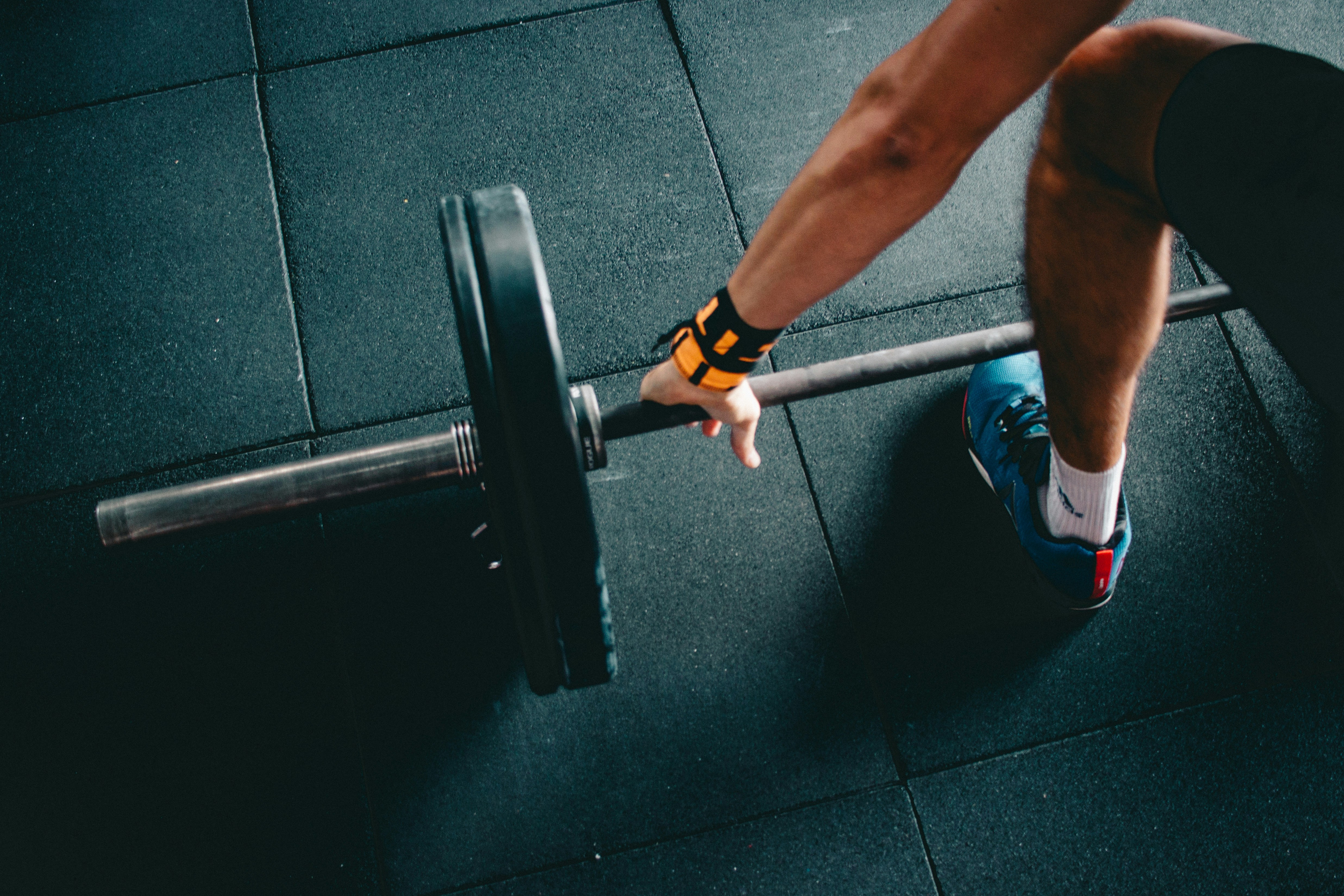 Photo by Victor Freitas on Unsplash
 Optimizing Athletic Performance: Tailored Fitness Training for Every Sport
October 27, 2025 | by K-Ran

Tailored Training: Elevating Athletic Performance Through Sport-Specific Fitness Programs
October 27, 2025 | by K-Ran
 Photo by Karsten Winegeart on Unsplash
 Precision Training: Tailoring Fitness for Success in Every Sport
October 27, 2025 | by K-Ran