

Optimizing Athletic Performance: Tailored Fitness Training for Every Sport
October 27, 2025 | by K-Ran
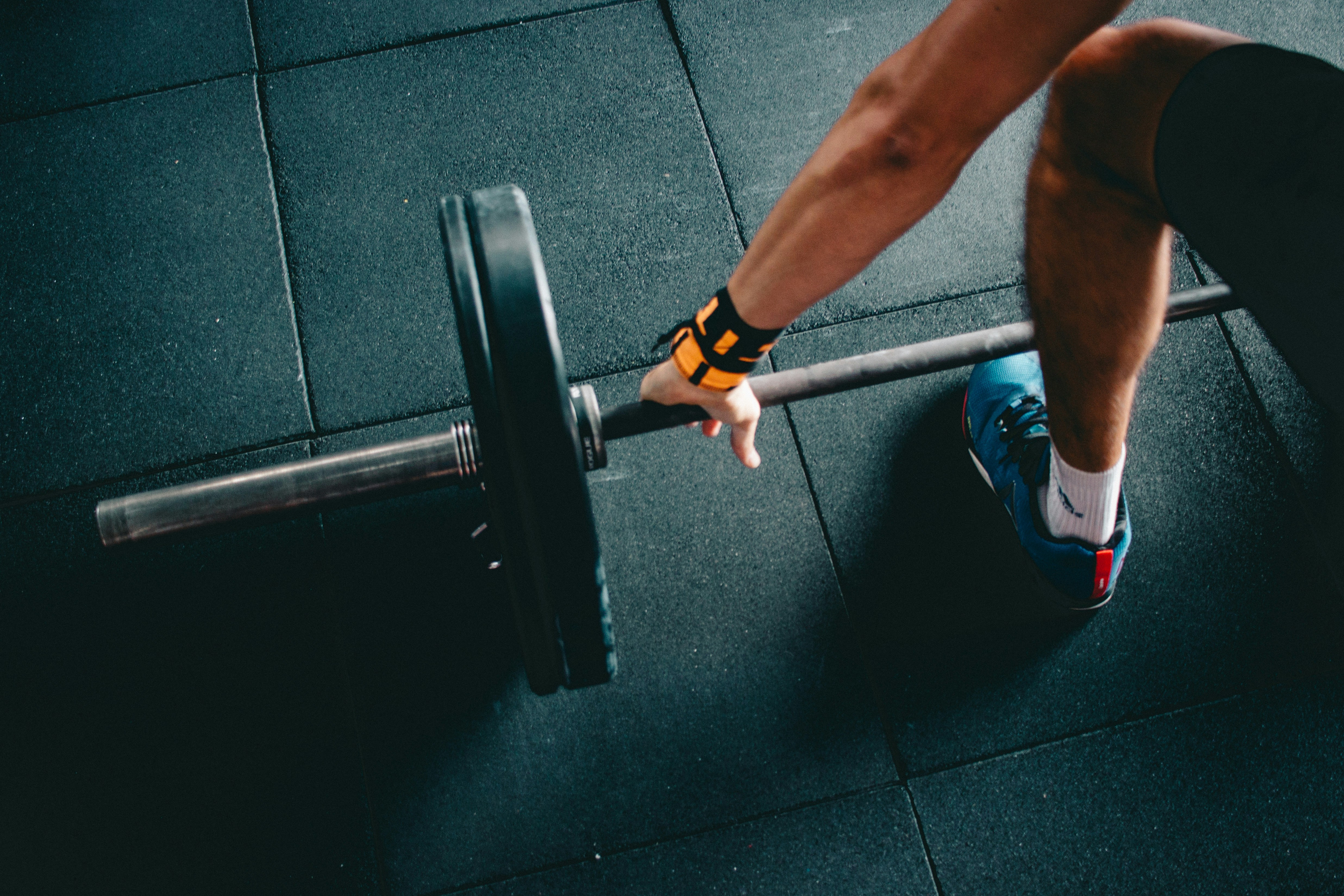 Photo by Victor Freitas on Unsplash
 The Importance of Specific Training for Athletes
In the realm of sports performance, the significance of tailored training programs cannot be overstated. Each sport—whether it be triathlon, fencing, archery, boxing, football, or cricket—exhibits distinct requirements that necessitate specific physical and mental conditioning. A one-size-fits-all training regimen is inadequate for athletes seeking to reach their peak potential. By focusing on the unique demands of their sport, athletes can enhance their skills and improve overall performance.
For instance, a triathlete requires a robust combination of endurance, strength, and flexibility due to the varied nature of swimming, cycling, and running. Specialized training protocols that address these needs not only prepare athletes for competition but also bolster their resilience against injuries. In contrast, a fencer may prioritize speed and agility, necessitating drills that enhance quick reflexes and strategic movements. The effectiveness of specific training lies in its ability to refine skills relevant to the sport, thereby promoting a greater level of expertise.
Moreover, the integration of sport-specific exercises allows for improved endurance and strength, essential for athletes in every discipline. For example, boxers benefit from rigorous cardiovascular workouts combined with strength training to withstand the physical demands of their matches. Similarly, cricketers thrive on fitness routines that augment their batting and bowling capabilities. In addition to physical training, tailored nutrition and recovery strategies play a critical role in optimizing an athlete’s performance. Understanding the nutritional needs that fluctuate with differing sports can lead to better energy management and recovery after intense workouts.
Real-life case studies illustrate the dramatic improvements resulting from specific training. Athletes who have embraced customized training programs often report not only enhanced performance but also significant strides in mental fortitude, which is crucial in high-stakes sports environments. Consequently, the importance of individualized training cannot be underestimated, as it is a vital component in achieving excellence across diverse athletic fields.
Designing Customized Training Regimens for Various Sports
Creating individualized training regimens is essential for optimizing athletic performance across various sports. The process begins with a thorough assessment of an athlete’s current fitness level, which serves as the foundation for effective program design. This evaluation should encompass physical attributes such as strength, endurance, flexibility, and agility, as well as skill-specific abilities pertinent to the sport. Identifying strengths and weaknesses allows for a tailored approach that focuses on enhancing performance while minimizing the risk of injury.
For each sport, it is crucial to understand the specific demands and skills required. For instance, triathletes require a balanced regimen emphasizing endurance across swimming, cycling, and running, often integrating long-distance runs as well as interval training sessions. Conversely, fencers benefit from explosive strength and agility, necessitating training that prioritizes footwork drills and reaction time enhancements.
In archery, the focus shifts to stability and precision; thus, training should incorporate core strengthening and fine motor skills development practices, utilizing targeting drills for improved accuracy. Boxers, on the other hand, need a mix of cardiovascular conditioning and explosive power, which can be achieved through high-intensity interval training (HIIT) and specific striking drills to simulate fight conditions. Football demands a versatile approach, where strength training, speed drills, and tactical practice are harmonized to optimize position-specific skills. In cricket, developing hand-eye coordination and explosive bursts is key, often requiring plyometric exercises alongside skill drills that mimic game scenarios.
Recovery techniques must also be considered as an integral part of any training regimen. Implementing proper rest days, hydration strategies, and active recovery modalities such as stretching and foam rolling facilitate muscle repair and adaptability. Continuous evaluation and adaptation of training plans are vital for ensuring that the regimens remain effective over time, aligning with an athlete’s evolving needs and goals.
RELATED POSTS
View all

 Photo by Alfonso Scarpa on Unsplash
 Custom Fitness Solutions: Tailoring Workouts for Every Athlete
October 27, 2025 | by K-Ran

Customized Training Strategies for Diverse Sports Disciplines
October 27, 2025 | by K-Ran
Tailored Training: Elevating Athletic Performance Through Sport-Specific Fitness Programs
October 27, 2025 | by K-Ran